

Does Removing Wallpaper Damage Walls?
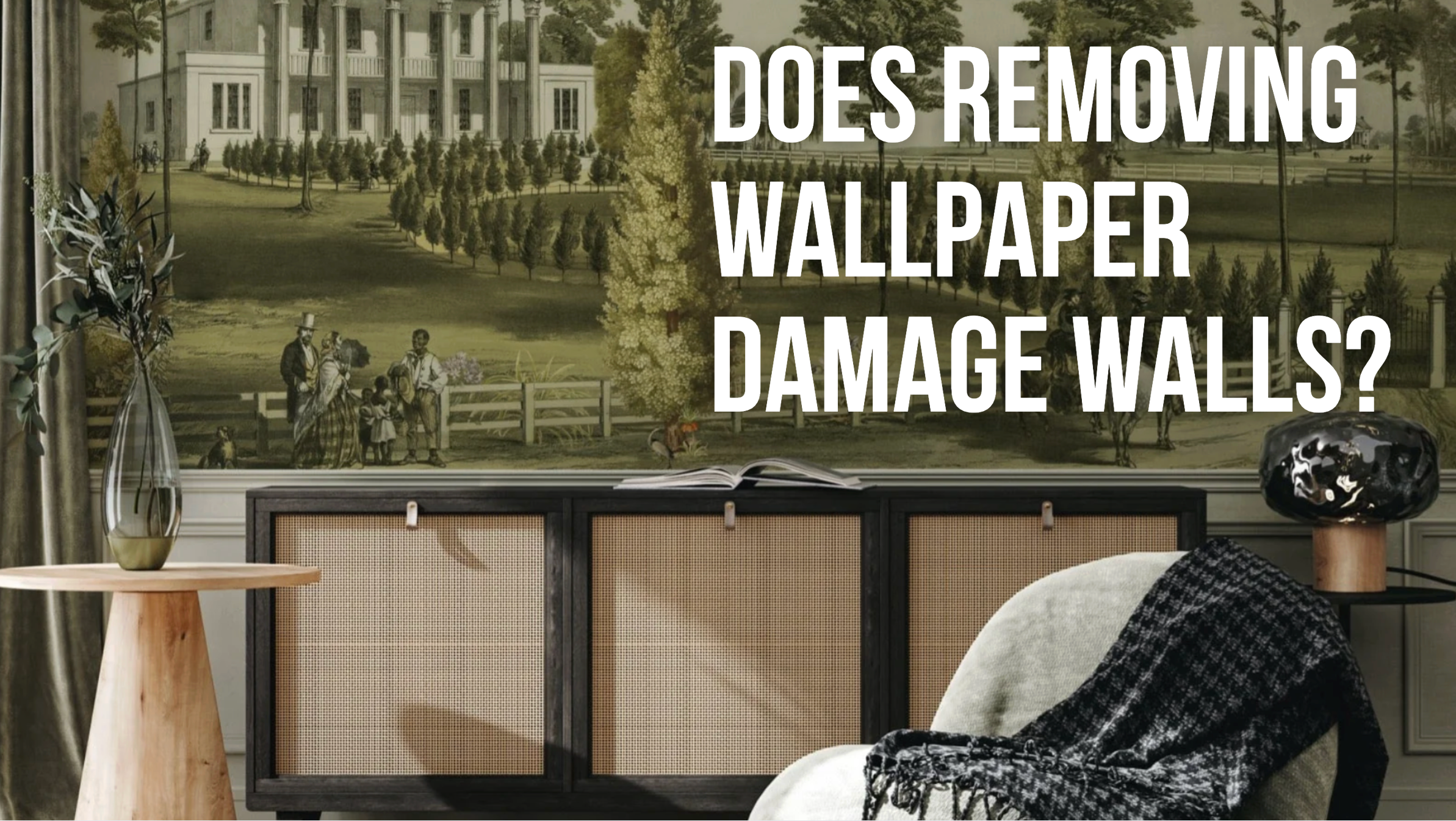
Wallpaper has made a strong comeback in modern interior design, especially with embossed wallpaper, textured wall coverings, and vinyl wallpapers becoming popular choices in American homes. Yet one question continues to dominate Google searches: Does removing wallpaper damage walls?
The short answer is: it depends. The wallpaper material, installation method, wall surface, and removal technique all play a role. In this guide, we’ll break everything down clearly and honestly ,no technical jargon, no confusion. You’ll also learn why Adawall wallpapers are designed to minimize wall damage while delivering long-lasting style.
Why Homeowners Worry About Wallpaper Removal
Many homeowners associate wallpaper with horror stories: peeled drywall, stubborn glue residue, and costly wall repairs. These concerns often come from experiences with old-fashioned wallpapers or poor-quality products installed decades ago.
Modern wallpapers,especially embossed vinyl wallpaper and non-woven wall coverings, are engineered differently. Brands like Adawall focus on durability, removability, and wall protection.
What Type of Wallpaper Is Most Likely to Damage Walls?
Not all wallpapers are created equal. Here’s how the most common types compare:
Paper Wallpaper
Traditional paper wallpaper is the most likely to cause damage. It absorbs adhesive deeply and often tears during removal, increasing the risk of drywall damage.
Vinyl Wallpaper
Vinyl wallpaper is far more durable and moisture-resistant. High-quality vinyl wallpapers, like those from Adawall, are designed to peel more cleanly when installed correctly.
Embossed and Textured Wallpaper
Embossed wallpaper adds depth and luxury to walls. While thicker than standard wallpaper, modern embossed designs use controlled adhesive systems that help protect wall surfaces during removal.
Non-Woven Wallpaper
Non-woven wallpapers are among the safest options for drywall. They are breathable, dimensionally stable, and often removable in full sheets.
Does Embossed Wallpaper Damage Drywall?
This is one of the most searched questions online.
The answer: high-quality embossed wallpaper does not damage drywall when removed properly.
Adawall embossed wallpapers are manufactured with:
-
Controlled adhesion
-
Reinforced backing layers
-
Peel-friendly structures
These features help prevent drywall paper from tearing during removal.
What Actually Causes Wall Damage During Removal?
Damage usually comes from one of these issues:
-
Poor wall preparation before installation
-
Low-quality adhesive
-
Improper removal techniques
-
Unsealed or damaged drywall
Wallpaper itself is rarely the problem—the process is.
How to Remove Wallpaper Without Damaging Walls
Follow these steps to protect your walls:
-
Test a small area first
-
Use warm water or a wallpaper remover solution
-
Peel slowly at a low angle
-
Never scrape aggressively
-
Clean adhesive residue gently
With Adawall wallpapers, many designs allow for dry stripping, meaning the wallpaper peels off in large sections.
Is Removable Wallpaper Safer for Walls?
Yes—but only if it’s high quality.
Cheap peel-and-stick wallpapers often leave residue or tear unevenly. Professional-grade removable wallpapers, like those offered by Adawall, are tested for controlled adhesion and clean removal.
Wallpaper vs Paint: Which Is Safer for Walls?
Interestingly, repainting walls frequently can cause more surface wear than wallpaper. Sanding, priming, and repeated paint layers may weaken drywall over time.
Wallpaper acts as a protective layer, shielding walls from daily wear, stains, and minor imperfections.
Why Interior Designers Prefer Modern Wallpaper
Many U.S.-based interior designers now choose embossed wallpaper over paint because it:
-
Adds texture and depth
-
Elevates luxury interiors
-
Hides wall imperfections
-
Offers long-term durability
Adawall designs are widely used in residential and commercial projects for these reasons.
How Adawall Wallpapers Protect Your Walls
Adawall wallpapers are engineered with wall safety in mind:
-
Premium vinyl and non-woven materials
-
Balanced adhesive compatibility
-
Tested removal performance
-
Durable embossed textures
This ensures that when it’s time for a style change, your walls remain intact.
When Wall Damage Can Still Happen
Even the best wallpaper can cause issues if:
-
Installed on unprimed drywall
-
Applied over damaged surfaces
-
Removed with force or sharp tools
Proper installation is just as important as product quality.
Final Thoughts: Should You Be Afraid of Wallpaper?
No. Modern wallpaper—especially embossed wallpaper from trusted brands like Adawall—is designed for real homes and real lifestyles.
When installed and removed correctly, wallpaper does not damage walls. Instead, it enhances interiors, protects surfaces, and offers design flexibility that paint simply can’t match.